The Oil Change
Your Brain's Favorite Fats
Dr. Whitney and Alex dive deep into the world of cooking oils and brain health. Discover why your brain is 60% fat, how extra virgin olive oil can reduce dementia risk by 28%, the power of omega-3 fatty acids, and which oils to avoid. Plus, a practical 5-step 'oil change' checklist you can start this week.
Episode 4: The Oil Change
Your Brain's Favorite Fats
Full Transcript
Welcome to Rewire and Replenish, the podcast where we explore the fascinating intersection of neuroscience, holistic nutrition, and mental wellness. I'm your co-host, Alex, and as always, I'm joined by the brilliant Dr. Whitney. How are you doing today, Dr. Whitney?
I'm doing great, Alex! I actually just drizzled some gorgeous extra virgin olive oil over my lunch salad, and it got me so excited for today's topic because we are talking about oils — the good, the bad, and the ones your brain is absolutely craving.
I love that. And I have to say, this is a topic I've been wanting to dig into because there's so much confusion out there. You walk down the grocery store aisle and there are like thirty different cooking oils staring at you. Olive oil, avocado oil, coconut oil, vegetable oil, canola oil — how is anyone supposed to know which ones are actually good for them?
It's overwhelming, and honestly, the marketing doesn't help. But here's the thing that I want everyone to hold onto today — your brain is roughly sixty percent fat by dry weight. Let me say that again. Sixty percent. So the types of fats and oils you're putting into your body are literally building the structure of your brain. This isn't just about heart health or cholesterol numbers. This is about your memory, your mood, your focus, and your long-term cognitive resilience.
Sixty percent fat. That's wild. So when people say 'you are what you eat,' that's especially true for the brain?
One hundred percent. Every single neuron in your brain is wrapped in a fatty membrane, and the quality of that membrane determines how well your neurons communicate with each other. If you're feeding your brain low-quality, inflammatory fats, those membranes become stiff and sluggish. But if you're giving it the right fats? Those membranes stay fluid, flexible, and efficient. It's like the difference between trying to send a text message on dial-up internet versus fiber optic.
Okay, so let's get into the specifics. If you had to pick one oil that you'd call the brain's best friend, what would it be?
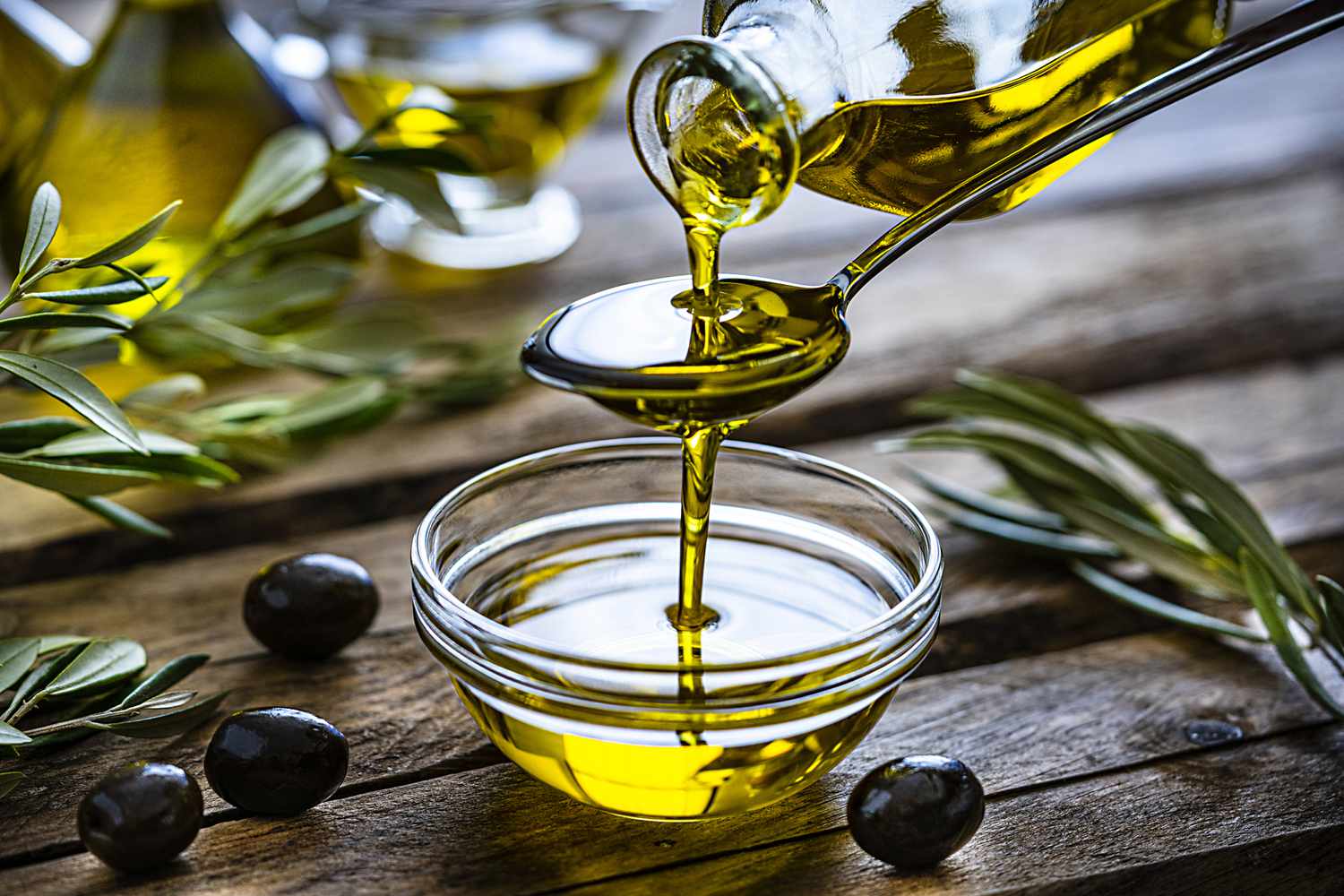
Without hesitation — extra virgin olive oil. And I'm not just saying that because I love Mediterranean food, although I do. There is an incredible body of research backing this up. A major Harvard study published in 2024 followed over ninety thousand people for nearly three decades, and they found that people who consumed more than half a tablespoon of olive oil per day had a twenty-eight percent lower risk of dying from dementia-related causes compared to those who rarely or never consumed it.
Twenty-eight percent? That's not a small number.
It's massive. And here's what makes extra virgin olive oil so special — it's packed with polyphenols, which are powerful plant compounds. One in particular called oleocanthal has been shown to have anti-inflammatory effects comparable to ibuprofen. You know that slight peppery burn you feel in the back of your throat when you taste really good olive oil?
Yes! I always thought that meant it was too strong or something.
That's actually the oleocanthal! That burn is a sign of quality. And oleocanthal doesn't just reduce inflammation — it's been shown in lab studies to help clear amyloid-beta plaques from the brain. Those are the sticky protein clumps associated with Alzheimer's disease. So this one compound in olive oil is essentially helping your brain take out the trash.
That's incredible. So when we're shopping, we specifically want extra virgin, not just regular olive oil?
Great distinction. Extra virgin means it's from the first cold press of the olives, so it retains the highest concentration of those beneficial polyphenols. Regular or 'light' olive oil has been more processed, and a lot of those protective compounds get stripped away. Look for dark glass bottles, a harvest date on the label, and ideally something from a single origin. And store it away from heat and light — those polyphenols are delicate.
Alright, so olive oil is the champion. What about omega-3s? I feel like everyone talks about fish oil.
For good reason. Omega-3 fatty acids, specifically EPA and DHA, are absolutely essential for brain health. DHA alone makes up about twenty-five percent of the total fat in your brain and is the most abundant fatty acid in your neural membranes. Your brain literally cannot function optimally without it.
And our bodies can't make omega-3s on their own, right?
Correct. They're called 'essential' fatty acids because we have to get them from food. The best sources are fatty fish — think wild-caught salmon, sardines, mackerel, anchovies, and herring. I like to use the acronym SMASH — Salmon, Mackerel, Anchovies, Sardines, Herring. If you can eat two to three servings of these per week, you're giving your brain a tremendous gift.
What about people who don't eat fish? Are there plant-based options?
There are. Flaxseed oil, chia seeds, hemp seeds, and walnuts all contain ALA, which is a plant-based omega-3. The caveat is that your body has to convert ALA into EPA and DHA, and that conversion rate is pretty low — somewhere around five to ten percent. So if you're plant-based, I'd strongly recommend an algae-based DHA supplement. Algae is actually where the fish get their omega-3s in the first place, so you're going straight to the source.
That's a great tip. Now, what are omega-3s actually doing inside the brain?
So many things. They reduce neuroinflammation, which is a driver of almost every neurodegenerative disease. They support the production of BDNF — brain-derived neurotrophic factor — which is like fertilizer for growing new brain cells. They improve blood flow to the brain. And there's strong evidence linking higher omega-3 intake to lower rates of depression and anxiety. One meta-analysis found that EPA in particular was as effective as some antidepressants for mild to moderate depression.
As effective as antidepressants? That's remarkable.
It really is. And I want to be clear — I'm not saying throw away your medication. But it shows how powerful nutrition can be as part of a comprehensive mental health strategy.
What about coconut oil? That one seems to be controversial. Some people swear by it, others say it's basically just saturated fat.
Coconut oil is interesting. It is high in saturated fat, but it's a unique type — medium-chain triglycerides, or MCTs. What's special about MCTs is that they're rapidly absorbed and converted into ketones by the liver. And ketones are an alternative fuel source for the brain. There's some preliminary research suggesting that ketones may be beneficial for people with Alzheimer's disease, because in Alzheimer's, the brain's ability to use glucose for energy becomes impaired. Ketones can essentially bypass that broken glucose pathway.
So coconut oil could help fuel a brain that's struggling to use its normal energy source?
That's the theory, and there are some promising early studies. But I want to be honest — the research is still in its early stages, and coconut oil shouldn't be your primary cooking oil. I think of it as a supporting player, not the star. Use it occasionally in cooking, maybe in smoothies. But your daily go-to should still be extra virgin olive oil and omega-3-rich foods.
And avocado oil?
I love avocado oil. It's rich in monounsaturated fats, similar to olive oil, and it has a high smoke point, which makes it great for cooking at higher temperatures where olive oil might break down. Avocados also contain lutein, which is a carotenoid that actually crosses the blood-brain barrier and has been linked to better cognitive function. Plus, the healthy fats in avocado oil help your body absorb fat-soluble vitamins like A, D, E, and K from other foods. So drizzling avocado oil on your salad actually helps you get more nutrition from the vegetables.
That's like a two-for-one deal.
Exactly! Your brain loves a good deal.
Okay, so we've covered the heroes. Now let's talk about the villains. Which oils should people be avoiding?
The number one enemy is trans fats — partially hydrogenated oils. These are found in some margarines, packaged baked goods, fried fast food, and certain processed snacks. Trans fats make your cell membranes rigid and dysfunctional. Multiple studies have linked trans fat consumption to increased risk of Alzheimer's disease and accelerated cognitive decline. The good news is that many countries have banned artificial trans fats, but they still sneak into some products, so always check labels.
What about vegetable oils like canola, soybean, corn oil? Those are everywhere.
This is where it gets nuanced. These oils are high in omega-6 fatty acids. Now, omega-6 isn't inherently bad — your body needs some. The problem is the ratio. Our ancestors ate omega-6 to omega-3 in roughly a one-to-one ratio. The modern Western diet? It's closer to fifteen or even twenty to one. That massive imbalance promotes chronic inflammation throughout the body, including the brain. So it's not that you can never have canola oil, but if it's your primary cooking fat and you're not balancing it with omega-3s, you're creating an inflammatory environment in your brain.
So the takeaway is balance?
Balance and quality. Prioritize extra virgin olive oil for everyday use, avocado oil for high-heat cooking, get your omega-3s from fish or supplements, use coconut oil sparingly for variety, and minimize highly processed seed oils and anything with trans fats.
I love how actionable this is. Can you give our listeners a quick 'oil change' checklist they can start with this week?
Absolutely. Here's your brain oil change in five steps. One — swap your everyday cooking oil to extra virgin olive oil. Two — eat fatty fish at least twice this week, or start an algae-based omega-3 supplement. Three — check your pantry for anything with 'partially hydrogenated' on the label and toss it. Four — try drizzling avocado oil on your next roasted vegetable dish. And five — add a handful of walnuts to your morning oatmeal or yogurt. Small changes, massive impact over time.
I'm literally making a grocery list right now. This has been so eye-opening. Thank you, Dr. Whitney.
Thank you, Alex. And to everyone listening — remember, every meal is an opportunity to nourish your brain. You don't have to be perfect. Just start making one better choice at a time, and your brain will thank you.
Beautifully said. That's all for today's episode of Rewire and Replenish. If you enjoyed this conversation, please subscribe, leave us a review, and share it with someone who could use a good oil change. We'll see you next time.
Feed your mind, trust your gut. See you next week!